MLB Commissioner Rob Manfred emphasizes the critical role of MLB Network's production capabilities in shaping the league's media landscape after 2028.
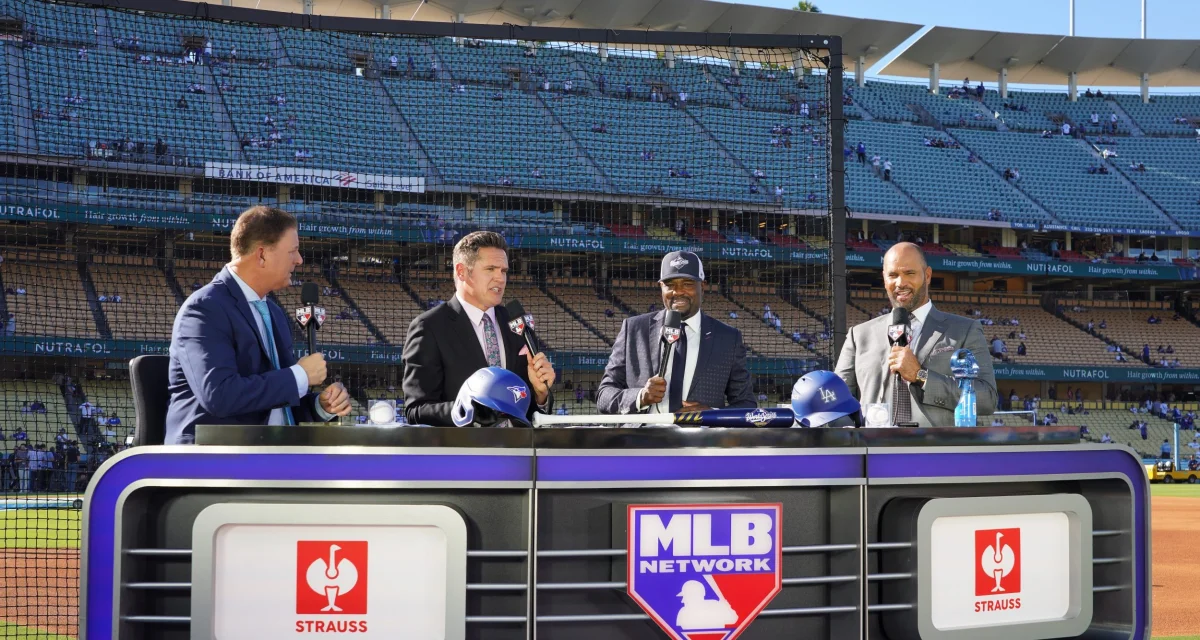
As Major League Baseball gears up for a seismic shift in its media strategy, Commissioner Rob Manfred has outlined a vision where the production capabilities of MLB Network will take center stage in negotiations for deals post-2028. During an insightful interview with Sports Business Journal, Manfred expressed confidence that the league's in-house production assets will enable MLB to navigate the evolving market landscape effectively.
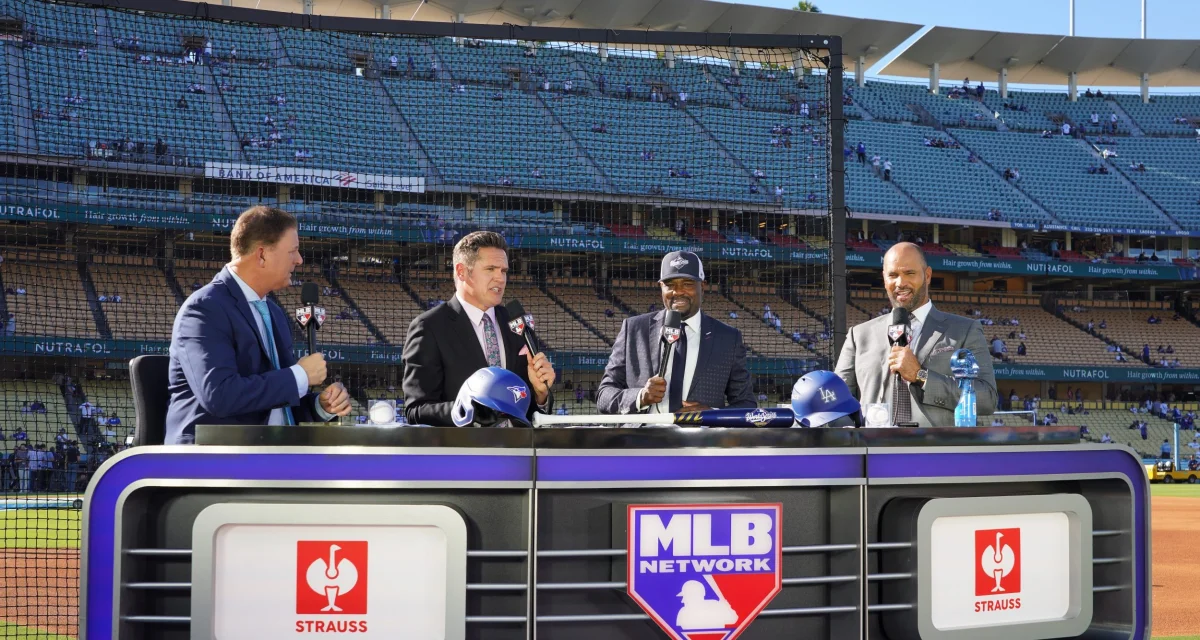
“The production of baseball-related content is a really important capacity for us,” Manfred stated. This assertion highlights how crucial in-house capabilities have become for MLB, especially as traditional regional sports networks face turmoil. With the recent upheaval and the bankruptcy of Diamond Sports Group, which previously owned the Bally Sports networks, MLB has adapted by seizing control of local broadcasts—a move that has proven beneficial. Since 2023, MLB has begun taking over local broadcasts, starting with the San Diego Padres, establishing MLB Local Media to handle the production and distribution of these games.
With nearly half of MLB teams having shifted their broadcasts to the league by the time Manfred began discussing the league's future in 2028, the step toward consolidating production signifies a strategic pivot. “I expect to have local rights for all 30 teams by then,” he noted, emphasizing that MLB intends to bundle these local rights with national packages for sale rather than offering them as standalone options. This strategic bundling could position MLB favorably in negotiations with streaming giants and tech companies looking for content.
Adapting to Market Changes
The rapid evolution in the media landscape, particularly the challenges faced by regional sports networks, has compelled MLB to think creatively. The disruption caused by Diamond Sports’ bankruptcy showcased vulnerabilities in traditional broadcasting methods, which prompted the league to take an active role in local broadcasts. By controlling content production and distribution, Manfred believes MLB can provide partners with flexible solutions for airing games while simultaneously crafting original programming that enhances the league's value.
The MLB Network’s production versatility has been tested extensively this season, with the network playing a significant role across various platforms. It co-produced Apple TV’s Friday Night Baseball doubleheaders and contributed to Netflix’s pregame and postgame shows. Additionally, MLB Network was involved in producing Peacock’s Sunday Stretch and made enhancements for MLB.TV broadcasts, demonstrating its ability to innovate and collaborate with various platforms.
Looking Towards the Future
As it stands, all major national broadcast deals—including those with Fox, TNT Sports, NBC, ESPN, Netflix, and Apple—are set to expire after the 2028 season. The high-profile nature of clubs like the New York Yankees and Los Angeles Dodgers with existing local TV contracts, running well into the next decade, presents a complex landscape for MLB as it prepares for negotiations. The successful packaging of both local and national games will depend heavily on aligning these significant market players, but Manfred’s confidence in the production prowess of MLB Network positions the league strategically.
As MLB approaches this pivotal moment, it's clear that an integrated production strategy will be at the heart of their media plans. By promoting efficiency and control, Manfred envisions a future where MLB not only retains the essence of its game broadcasts but also expands its reach with original content offerings that resonate with a broader audience. Advantageously, a successful rollout of these production capabilities can attract streaming platforms eager for valuable live sports content.
The path ahead for MLB will not only redefine how fans consume baseball but also how technological partnerships evolve in the sports broadcasting realm. Engaging both traditional and modern viewing audiences is crucial as MLB looks to stay relevant and profitable amid increasing competition in the sports entertainment sector.
In summary, the convergence of production and distribution capabilities clearly outlines the ambitious trajectory that MLB is embracing as it moves forward. The next few years will be vital as MLB navigates these changes, ensuring that its media presence remains robust against external challenges and ripe for new opportunities.


