Mauricio Pochettino continues as head coach of the US Men's National Team through the 2030 World Cup, with renewed resources and ambitious goals.
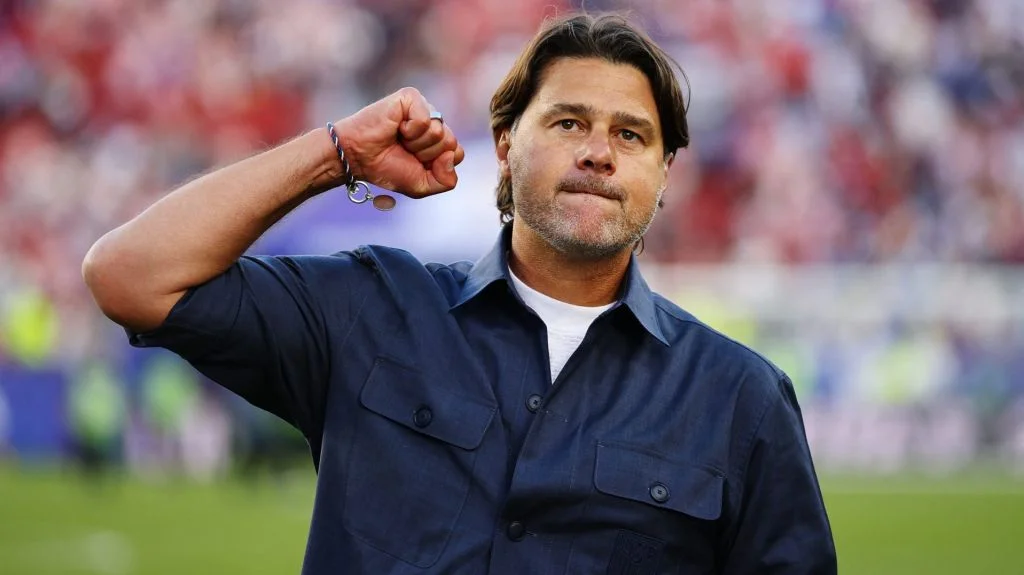
Mauricio Pochettino will remain the head coach of the U.S. Men’s National Team (USMNT) through the 2030 FIFA World Cup, a decision announced by U.S. Soccer on Monday. This move solidifies a partnership that started in 2024 when the Argentine manager joined the national team, previously boasting a notable coaching career with clubs like Tottenham Hotspur, Paris Saint-Germain, and Chelsea.
Under Pochettino's leadership, the USMNT showcased a commendable playing style during the recent World Cup, though the campaign ended with a disappointing 4–1 defeat to Belgium in the round of 16. This loss mirrored previous tournament exits in 2010, 2014, and 2022, maintaining a troubling trend in knockout stages for the U.S. squad.
“Working together with U.S. Soccer over the past two years, it has become clear to us that there is tremendous potential to make the Men’s National Team program even stronger," said Pochettino, reflecting on his vision for the team. His commitment is crucial, especially as the U.S. seeks to become a competitive force in international football.
Financial Backing and Support
Pochettino’s continuation as head coach comes with substantial financial support from hedge fund billionaire Ken Griffin, who is, once again, contributing significantly to the coach’s salary, which remains undisclosed. Griffin had previously funded much of Pochettino’s initial remuneration of $6 million per year. Other investors, including hedge fund manager Scott Goodwin and LAFC minority owner Adam Freede, have also pledged support.
Performance and Future Goals
The USMNT stands at a record of 17 wins, 12 losses, and 2 draws under Pochettino's direction, achieving a 3-2 performance in their World Cup journey. Notably, he has become the winningest U.S. coach in World Cup history, with victories over teams such as Paraguay, Australia, and Bosnia and Herzegovina giving him an edge in the record books.
Despite these achievements, the recent defeat against Belgium casts a shadow over future ambitions. CEO of U.S. Soccer, JT Batson, acknowledged the team’s work ahead, stating, “We know we have a lot of work to do to achieve our clear ambitions, including competing to win Men’s World Cups and having soccer become the most played sport in every community.” This ambition emphasizes the need for continual growth and competitive success.
Expanding Responsibilities and Player Development
Pochettino's new contract also introduces an advisory aspect, allowing him and his coaching staff to engage more directly in youth and technical development programs. This approach is designed to cultivate soccer talent across the nation and align the national program's ambitions with grassroots initiatives.
Interestingly, just before the World Cup, Pochettino was rumored to have an interest from AC Milan, where U.S. star Christian Pulisic plays. While he denied directly meeting with Milan, he acknowledged that representatives might have communicated. Pochettino’s response reflects a delicate balance between national duties and potential club interests, with reports indicating multiple suitors had shown interest throughout his tenure.
Commitment to Advancement
All these factors illustrate a crucial moment for U.S. Soccer as they relate both to past successes and future aspirations. Pochettino’s vision for transforming the USMNT remains ambitious—aiming for World Cup victories and making soccer the favored sport in American communities. His leadership is expected to guide the team through upcoming challenges, including the highly anticipated 2026 World Cup, which the U.S. will co-host.
The U.S. Soccer Federation had made a strategic decision to extend Pochettino’s contract before the World Cup, signaling their long-term commitment to building a stronger, more competitive national team. As excitement builds within the fanbase, the focus will now shift to how Pochettino and his team will address the lingering issues from past tournaments while utilizing newfound resources to elevate U.S. soccer on the world stage.


