Patrick Mouratoglou reflects on UTS Rio, emphasizing the intense atmosphere and standout performances, particularly from champion Brandon Nakashima.
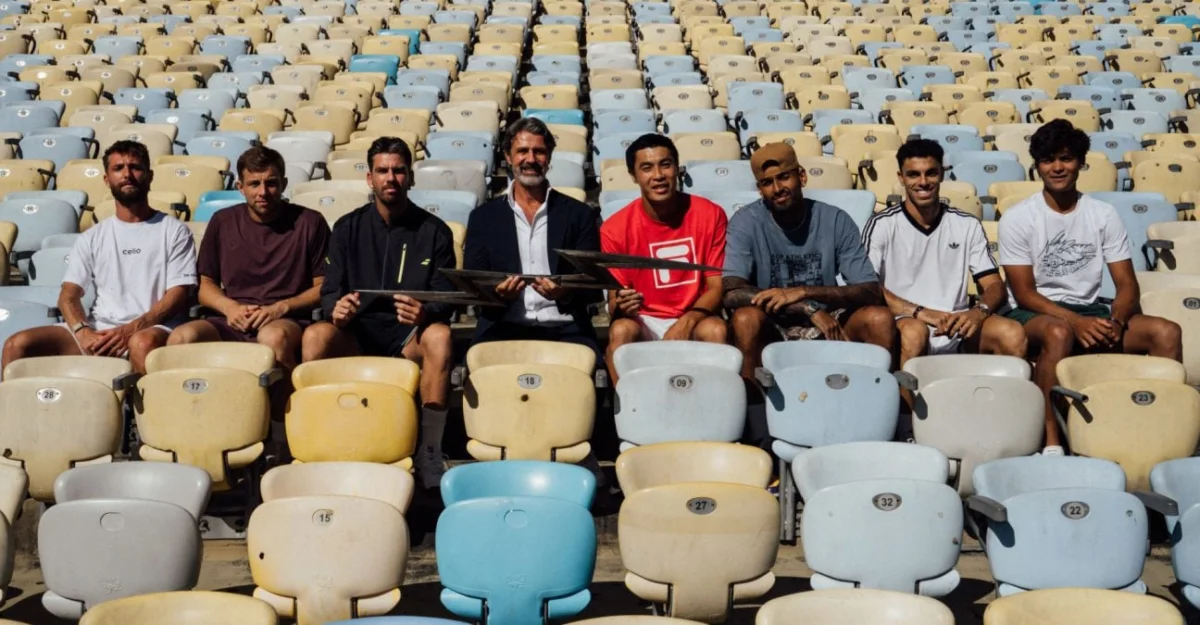
Patrick Mouratoglou, founder and chairman of the Ultimate Tennis Showdown (UTS), recently shared insights from the electrifying UTS Rio event. This tournament not only showcased fresh talent but also put significant pressure on players unfamiliar with the unique format and challenging atmosphere. Despite these hurdles, American Brandon Nakashima emerged victorious, highlighting the capacity for adaptation and excellence under pressure.
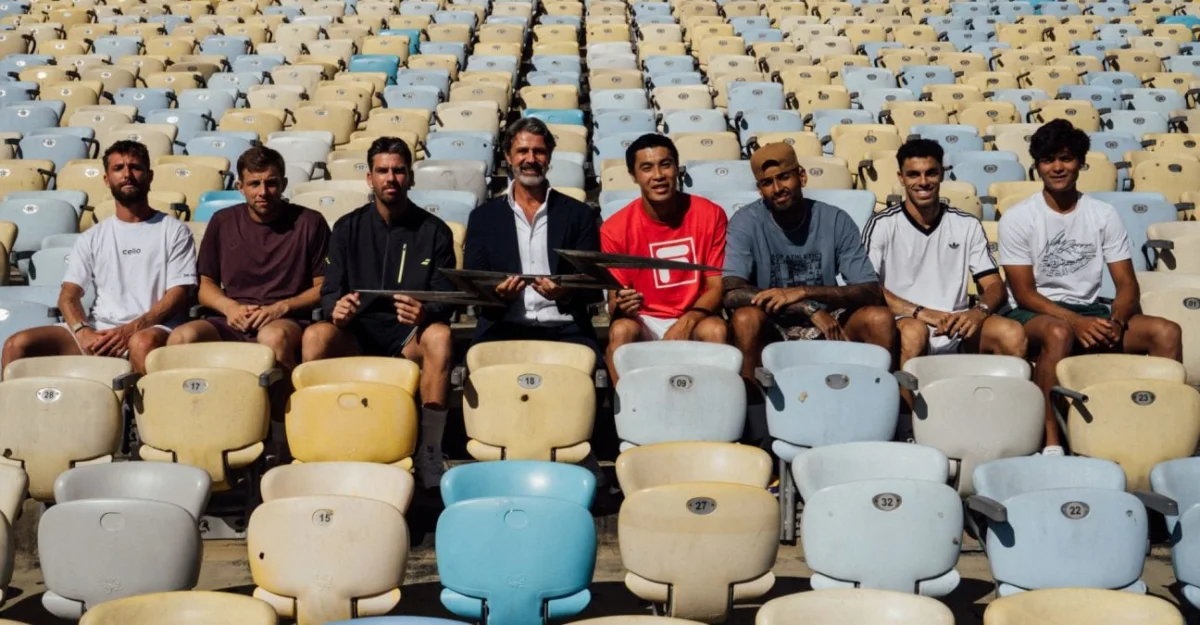
A Challenging Yet Rewarding Experience
Mouratoglou noted that many of the participants in UTS Rio were new to this type of tennis, which deviates significantly from traditional styles. The competition is physically demanding and calls for distinct strategies that players must learn quickly. He remarked, “At first, it was very difficult,” acknowledging the intense pressure faced, particularly by non-Brazilian players competing against local favorites amidst a fervent home crowd.

Despite the challenges, Mouratoglou highlighted a surprising reaction from the competitors. Even amidst relentless booing from the crowd directed at them, many players—including Tallon Griekspoor—found joy in the experience. Griekspoor described it as a “once-in-a-lifetime experience,” demonstrating how the intensity of the atmosphere can foster memorable competitive moments.

The Brazilian Crowd: A Different Energy
The atmosphere at UTS Rio was markedly different than what players typically encounter on the tour. Brazilian fans displayed their passion by vocally supporting local stars while booing their opponents before every serve. Mouratoglou explained that this level of engagement provided a unique challenge, but it also added to the excitement of the event. He emphasized how athletes crave emotional experiences—both positive and negative—as part of their competitive journey.

“In traditional tennis, people often argue that crowd behavior can go too far and isn’t good sportsmanship, but that doesn't hold in more dynamic sports like basketball or football,” he argued. The emotional stakes in UTS are higher with such fervent crowd involvement, suggesting this could reshape how tennis is viewed relative to the broader sporting world.

Nakashima's Journey to Victory
Brandon Nakashima's success at UTS Rio was underscored by his impressive adaptability. Mouratoglou pointed out that Nakashima faced a steep learning curve, particularly in adjusting to the overwhelming crowd dynamics and pressure of playing against Brazilian players at home. Nevertheless, he managed to pivot and embrace the atmosphere, ultimately performing exceptionally well.

“What impressed me was his movement and his ability to counterpunch,” Mouratoglou noted, praising Nakashima’s strategy and execution. His speed and tactical depth allowed him to maintain control during matches, leading to a powerful performance in the Final Four.

Potential Stars Rising from UTS Rio
The event also shed light on young talent, particularly 17-year-old Guto Miguel, who made an explosive impact by reaching the finals and showcasing considerable skill against seasoned players. Mouratoglou expressed optimism about Miguel's future, noting that the young player demonstrated not only great technical skills but also mental fortitude, both crucial for long-term success in tennis.
“We’re going to see him again on the ATP Tour on TV in the next two or three years,” predicted Mouratoglou, highlighting the importance for events like UTS to feature emerging talents alongside established stars like Nakashima.
The Balance of Experience and Youth in UTS
Mouratoglou further emphasized the significance of featuring a diverse range of players in UTS. The juxtaposition of seasoned professionals and promising newcomers creates a compelling narrative for fans. His insight into John Fonseca’s experience at the event underlines the pressure of playing in front of a packed home crowd, which can be daunting for young athletes. “He struggled to find his timing at first, but he improved throughout the week,” Mouratoglou remarked, outlining Fonseca's potential for future tournaments.
The blend of established players and rising stars not only invigorates the tournament atmosphere but also provides local fans with a reason to support their homegrown talent. Mouratoglou believes that providing young athletes like Miguel the opportunity to compete at this level is essential, as it fosters a deeper connection with the sport in their communities.
The Future of UTS and the Tennis Scene
Mouratoglou's reflections on UTS Rio illuminate how the event serves as a platform not merely for competition but for growth and connection within the sport. The energy of the Brazilian crowd, the clashes of established players with fresh talent, and the emotional dynamics of the competition all contribute to a rich tapestry of experiences both for players and fans alike.
“Guto will remember UTS all his life because of this opportunity—to play in front of his home crowd and perform well,” Mouratoglou said, reinforcing the notion that UTS is more than just a series of matches; it's about creating unforgettable moments in the sporting landscape that participants can cherish forever. As UTS continues to evolve, it will be interesting to see how such experiences shape the future trajectories of young players and the sport at large.


