On June 9, 1984, Martina Navratilova clinched her fourth consecutive Grand Slam title, defeating Chris Evert and redefining her legacy in tennis history.
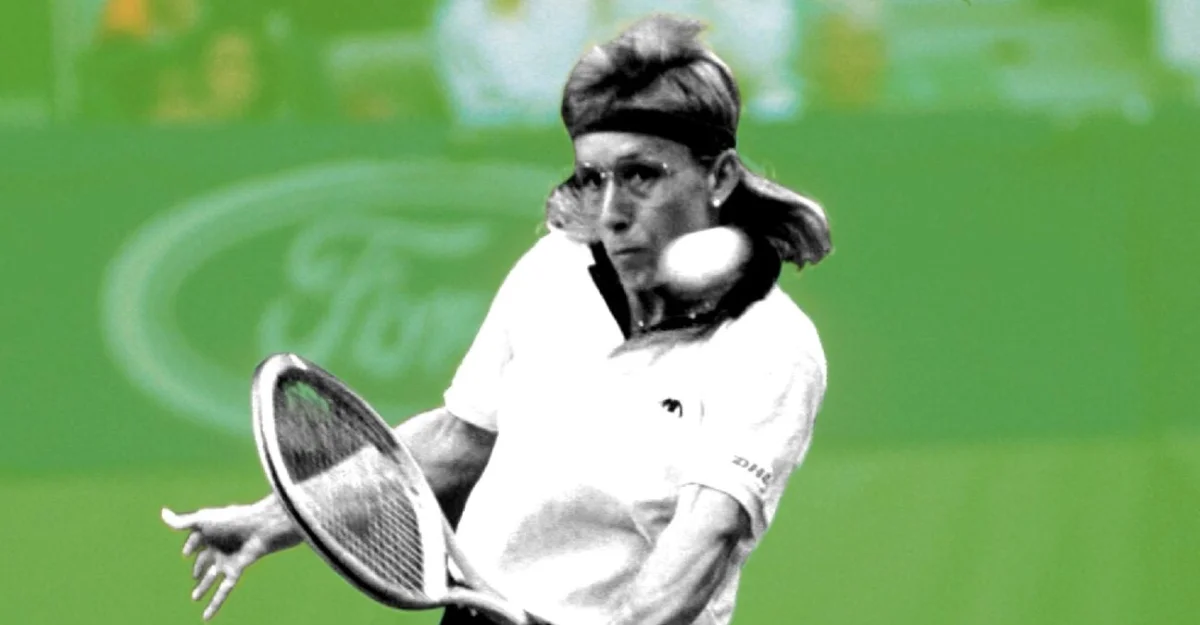
On June 9, 1984, Martina Navratilova achieved a landmark victory at Roland-Garros, defeating her longtime rival Chris Evert with a commanding score of 6-3, 6-1. This win marked Navratilova's fourth consecutive Grand Slam title, elevating her to a unique position in tennis history as the first player since Margaret Court in 1970 to simultaneously hold four major titles, albeit split across two seasons, sparking debate about the nature of her achievement. Nonetheless, it underlined her dominance over the women's game during that period.
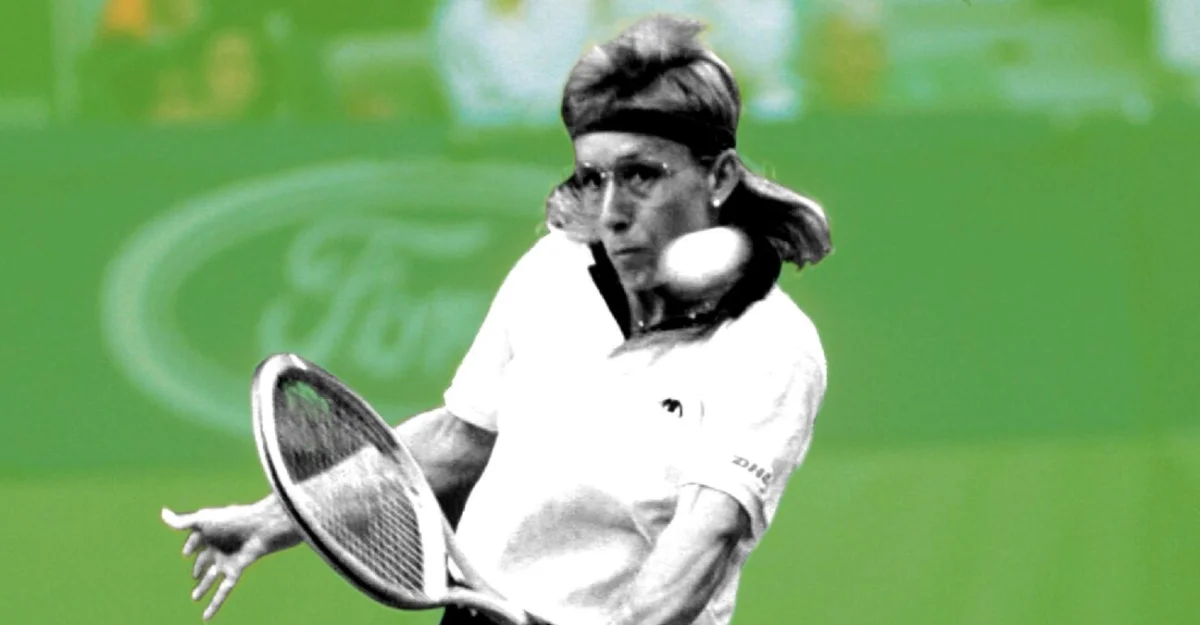
The Finals: A Display of Dominance
Navratilova entered the final with formidable confidence, having already triumphed in the last three Grand Slams and losing only one match since the beginning of the season. Her performance against Evert proved her superiority on the court. The match lasted just 63 minutes, with the second set illustrating Navratilova's arsenal of powerful serves, strategic volleys, and deft drop shots that left Evert visibly frustrated. Evert, who was well-established as a clay-court specialist and a dominant force in women's tennis, could not counter Navratilova's aggression and versatility.

Chris Evert acknowledged Navratilova's prowess post-match, admitting, "I couldn’t find any weaknesses. I couldn’t anticipate the drop shots... I don’t know how much better she can get." This encapsulated the shift in their rivalry, marking a significant moment where Navratilova's hard work and dedication to fitness and strategy redefined the competitive landscape of women's tennis.
The Rivalry: Two Titans of Tennis
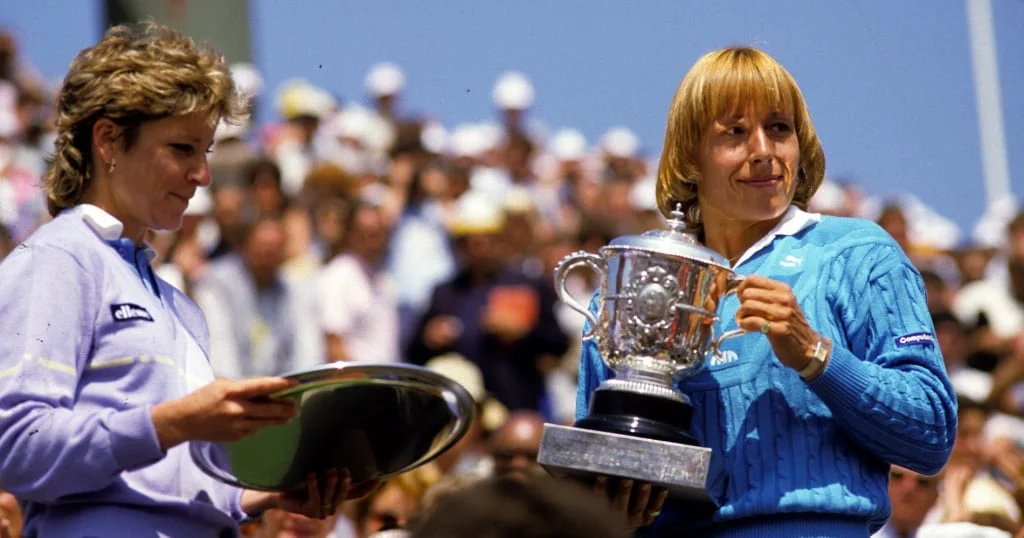
Martina Navratilova, born in 1956, revolutionized women's tennis as the world No. 1, emphasizing fitness and a holistic approach to training. Her fierce rivalry with Evert propelled both players into the spotlight, with Navratilova taking the lead following a tough competition for the top spot. Their first Grand Slam clash took place at Wimbledon in 1978, where Navratilova claimed her first title. After a series of encounters, she eventually solidified her place at the top in 1984.
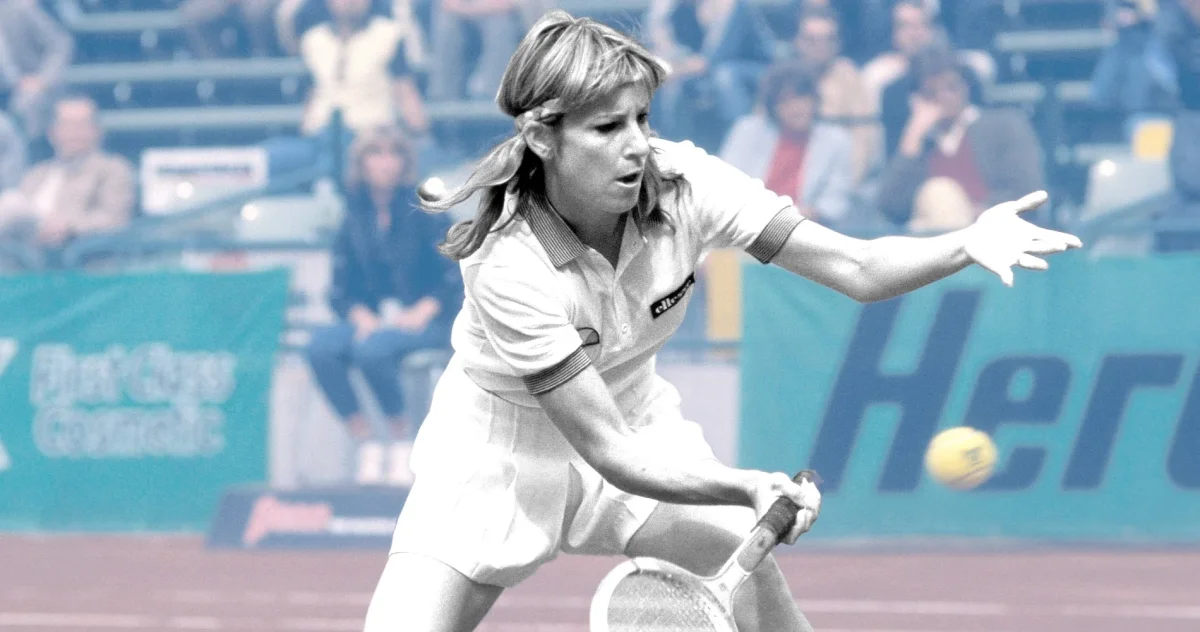
Chris Evert, born in 1954, was renowned for her consistency and baseline prowess. Her strategic gameplay made her one of the toughest competitors on clay, evidenced by her impressive record of 15 Grand Slam titles, including her mastery at Roland-Garros, where she had won five times prior to facing Navratilova in 1984.

The Venue: Stade Roland-Garros
Roland-Garros, located in Paris, has served as the stage for the French Grand Slam since 1928, with its clay surface challenging players due to its slow nature. For Evert, this surface was familiar and favored; Navratilova's serve-and-volley style faced heightened challenges on clay, yet she had already secured victory at the tournament in 1982. The historical significance of this venue heightened the stakes of their rivalry.

Aftermath and Legacy
With her victory, Navratilova not only claimed the fourth title but also earned a million-dollar bonus from the International Tennis Federation for holding all four titles simultaneously. She became only the third woman to win four Grand Slam titles in a row. Her triumph further emphasized the era's shift in women's tennis and established her as a formidable player in the Open Era.

Post-match, Navratilova reflected on her journey, stating, “I have transcended another level,” underscoring her remarkable achievements in both singles and doubles, having also found success alongside partner Pam Shriver. This accomplishment was unprecedented in the history of tennis.
Meanwhile, Evert, faced with questions about her future, firmly stated, “I still think I can beat her,” dismissing any rumors of retirement. This resilience signaled her determination to remain competitive in the evolving landscape of women's tennis.

What Was Next for Both Players?
Navratilova would go on to achieve further success later in 1984, winning both Wimbledon and the US Open, and extending her reign to six consecutive Grand Slam titles. However, she faced a setback at the 1985 Australian Open, where she was defeated in the semifinals, falling short of the calendar-year Grand Slam.
Evert’s comeback came swiftly in 1985 when she triumphed over Navratilova in one of the most memorable finals at Roland-Garros, winning in a grueling three-set match (6-3, 6-7, 7-5). This victory was particularly sweet for Evert, as it marked her resilience against a formidable opponent.
Ultimately, both players would conclude their careers with 18 Grand Slam titles each. Navratilova earned accolades as arguably the greatest player in the sport, holding records for singles and doubles titles and matches won, while also completing a career boxed Grand Slam. Evert would retire in 1989, closing her professional chapter on a high note with a final victory in the Fed Cup.
The rivalry between Navratilova and Evert remains one of the most compelling narratives in tennis, characterized by mutual respect and an intense competitive spirit. Their encounters defined an era and set the foundation for future generations of players.


