On June 11, 1989, Michael Chang made history by becoming the youngest male player to win a Grand Slam, defeating Stefan Edberg in a thrilling Roland-Garros final.
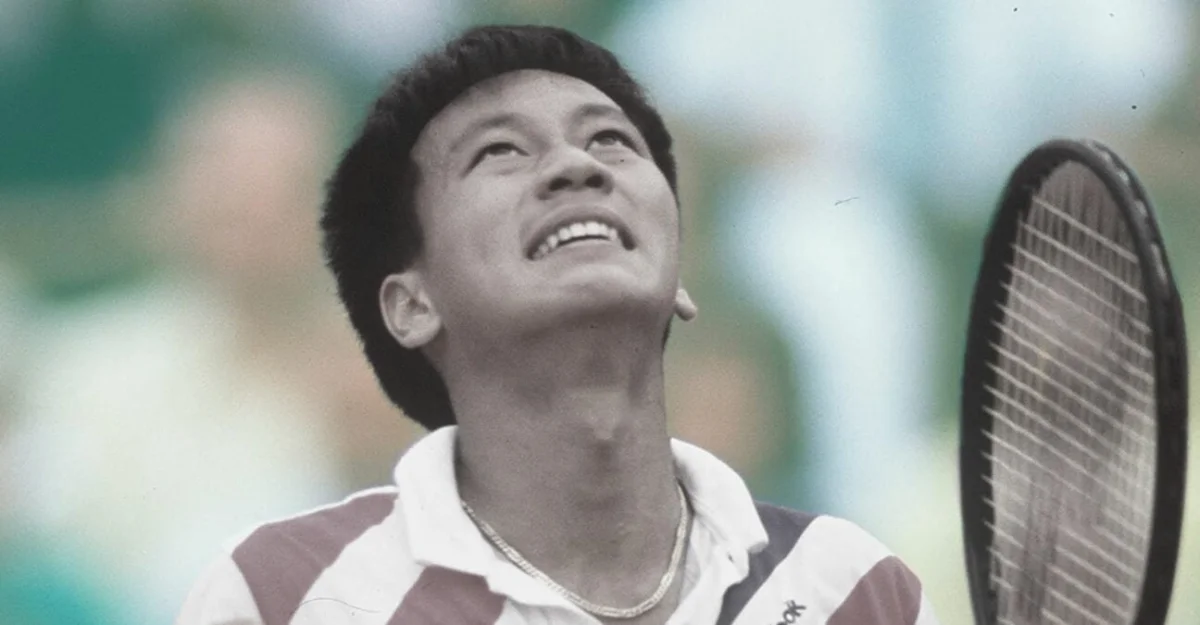
On June 11, 1989, tennis history was made when 17-year-old Michael Chang stunned the crowd at Roland-Garros by defeating the formidable Stefan Edberg. Chang's victory not only secured him the title but also established him as the youngest male player ever to win a Grand Slam tournament, a feat that would resonate throughout the sport for decades to come.
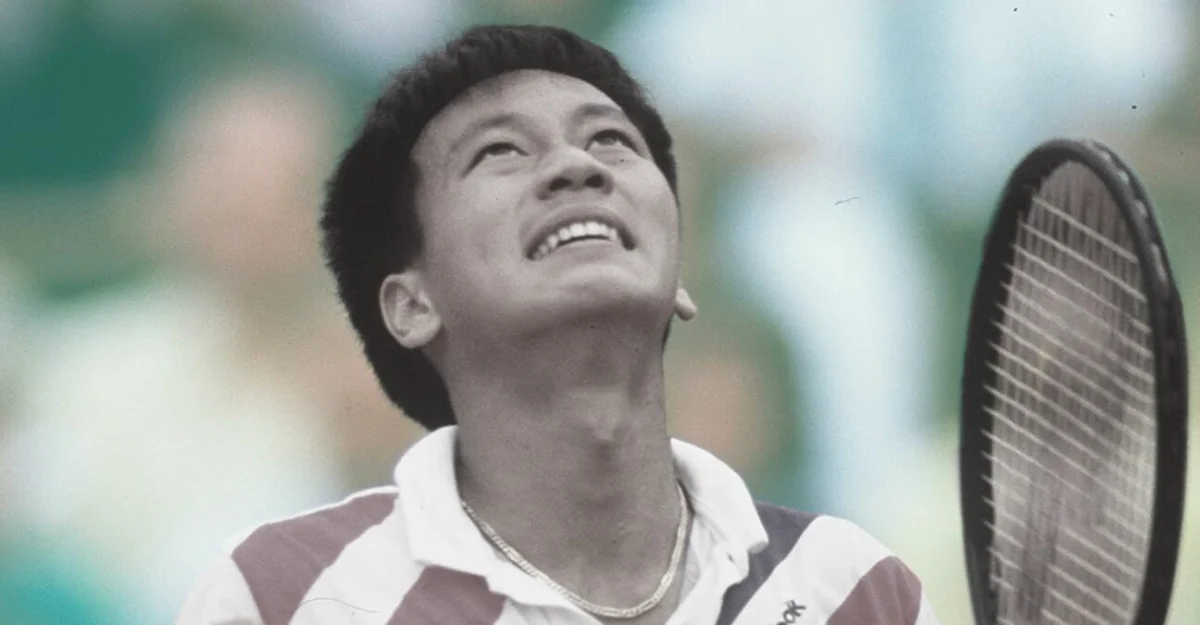
A Historic Final
The final match saw Chang face World No. 3 Edberg in a gripping five-set showdown that began with Chang storming to a surprising 6-1 win in the first set. Despite his youth, he displayed remarkable composure and tenacity, retrieving shots and putting pressure on Edberg, who seemed nervous and out of sorts early on.
Edberg rebounded in the second and third sets, claiming victories of 6-3 and 6-4. He appeared to have the momentum, creating multiple break points against Chang in the fourth set. However, demonstrating extraordinary mental fortitude, Chang saved ten break points, countering Edberg’s aggressive net play to even the match at two sets apiece.

With the match swinging decisively, Edberg, exhausted and frustrated after the fourth set's missed opportunities, faltered in the fifth. Chang took advantage, clinching the final set 6-2 and securing his place in tennis history.
The Road to the Final
Earlier in the tournament, Chang showcased his skill by defeating some of the biggest names in tennis. Notably, his win over World No. 1 Ivan Lendl in the fourth round stood out as one of the most significant upsets in Grand Slam history. Coming back from two sets down to ultimately win in the fifth set, Chang employed trickery and tactical skill, even using an underarm serve that left Lendl shaken.
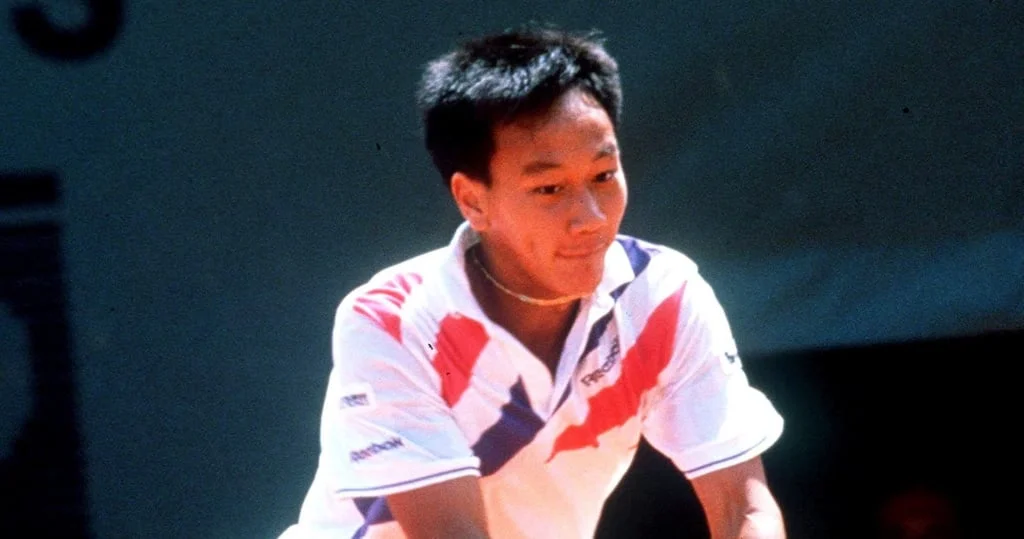
Chang’s unexpected journey to the final was marked not just by skill but also by exceptional mental resilience, proving that age was merely a number. His path to the final solidified his reputation as a rising star in the sport.
Profiles of the Players
Chang, born in 1972, broke records early in his career by becoming the youngest player to win a match at the US Open at age 15. By 1989, he had risen to No. 19 in the world, demonstrating consistent performance on clay, reaching respectable stages in various tournaments. His unique style emphasized speed and incredible baseline coverage, making him a challenging opponent.
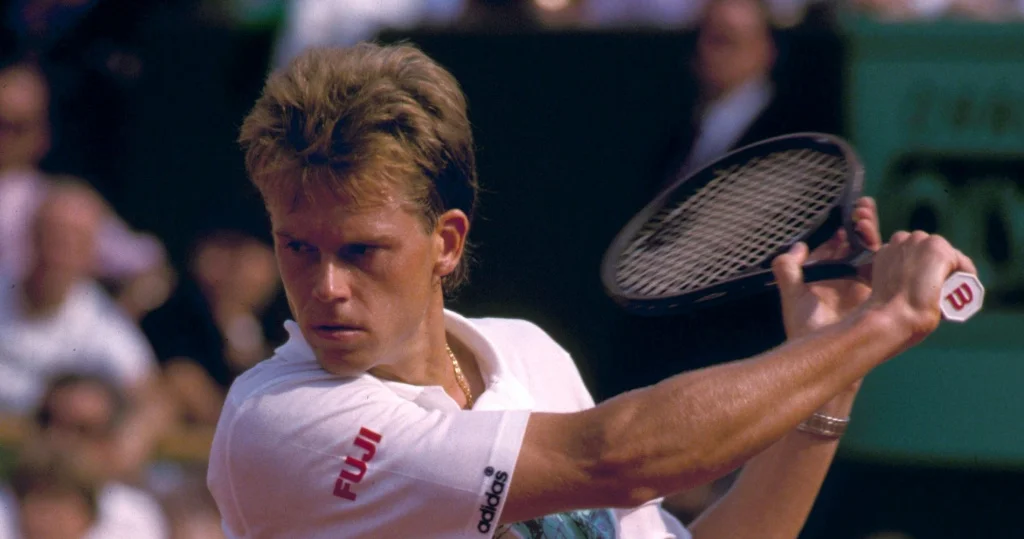
In contrast, Edberg, born in 1966 and a celebrated serve-and-volley player, had demonstrated his prowess on grass courts, claiming several Grand Slam titles, including Wimbledon and the Australian Open. However, he struggled to adapt his game to the clay surface of Roland-Garros, where only one of his 19 titles came.
The Venue: Stade Roland-Garros
The final unfolded at the iconic Stade Roland-Garros in Paris, a venue synonymous with the challenge of clay court tennis. This surface is known for demanding exceptional physical endurance due to its slow pace, making it particularly daunting for players whose strengths lie in aggressive net play. The unique characteristics of Roland-Garros meant that Chang's baseline style suited the conditions much better than Edberg’s approach.
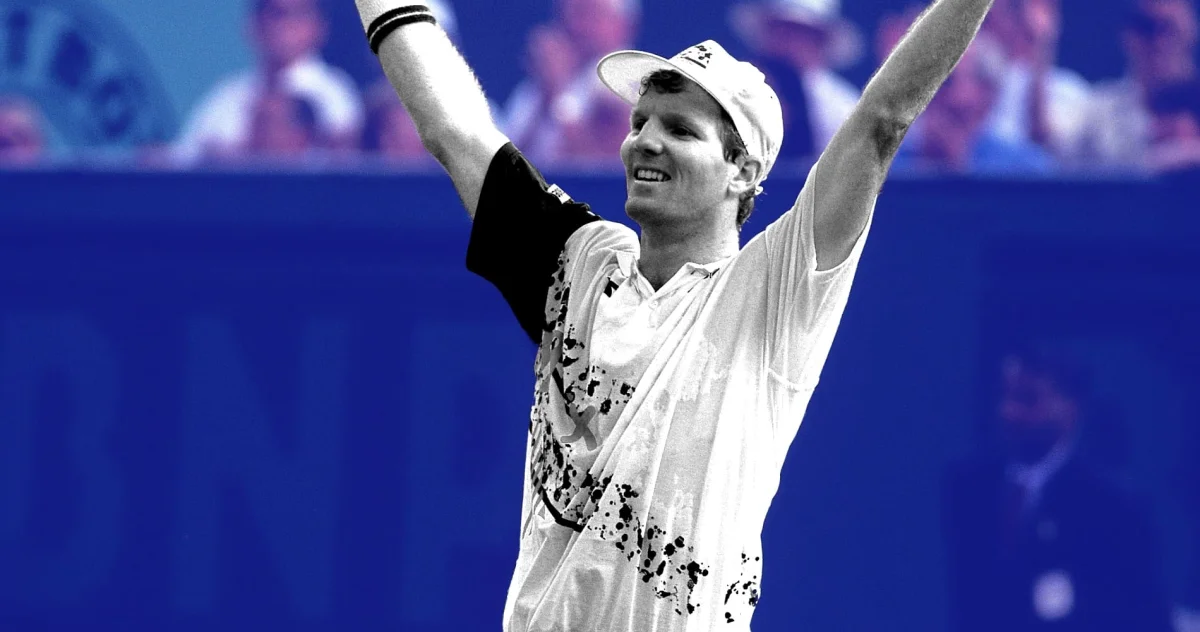
Aftermath: Chang's Career Trajectory
Chang's victory marked the beginning of a noteworthy career trajectory. In the wake of his Grand Slam win, he reached three more major finals throughout his career, including the prestigious Roland-Garros in 1995, where he finished runner-up to Thomas Muster. Chang also demonstrated consistent performance within the top ranks of men's tennis, reaching a career-high ranking of No. 2 in the world.
However, he faced challenges maintaining momentum post-1989 and found it difficult to stay in the top 10 until his resurgence during the mid-1990s. By 2003, he retired but left a lasting legacy as one of the game’s great competitors.

Edberg's Journey Post-Final
For Edberg, this match would become a painful point of reflection. Just a month after his loss, he encountered another setback at Wimbledon, where he faced Becker again, putting a damper on his year. Nevertheless, he rebounded strongly, culminating in two more Grand Slam victories, including the US Open in both 1991 and 1992. Notably, Edberg's run to greatness solidified his place in tennis lore, even if the elusive Roland-Garros title continued to escape him.
Conclusion: A Lasting Impact on Tennis
Michael Chang's historic victory at Roland-Garros remains one of the most celebrated moments in tennis history. His performance against Edberg showcased not just talent, but an indomitable spirit that has inspired generations. Besides the personal accolade, Chang’s achievement brought fresh energy into the tennis world, signifying that age and experience could be overcome by skill and determination.
The legacy of Chang's underarm serve and resilient gameplay stands as proof that young athletes can defy expectations, altering the course of sports history. As tennis continues to evolve, Chang's name and the echoes of his remarkable Grand Slam journey live on, inspiring future generations of players.


