On July 4, 1938, Suzanne Lenglen, tennis' first female superstar, died at 39, leaving a legacy of dominance and charisma that reshaped women's tennis.
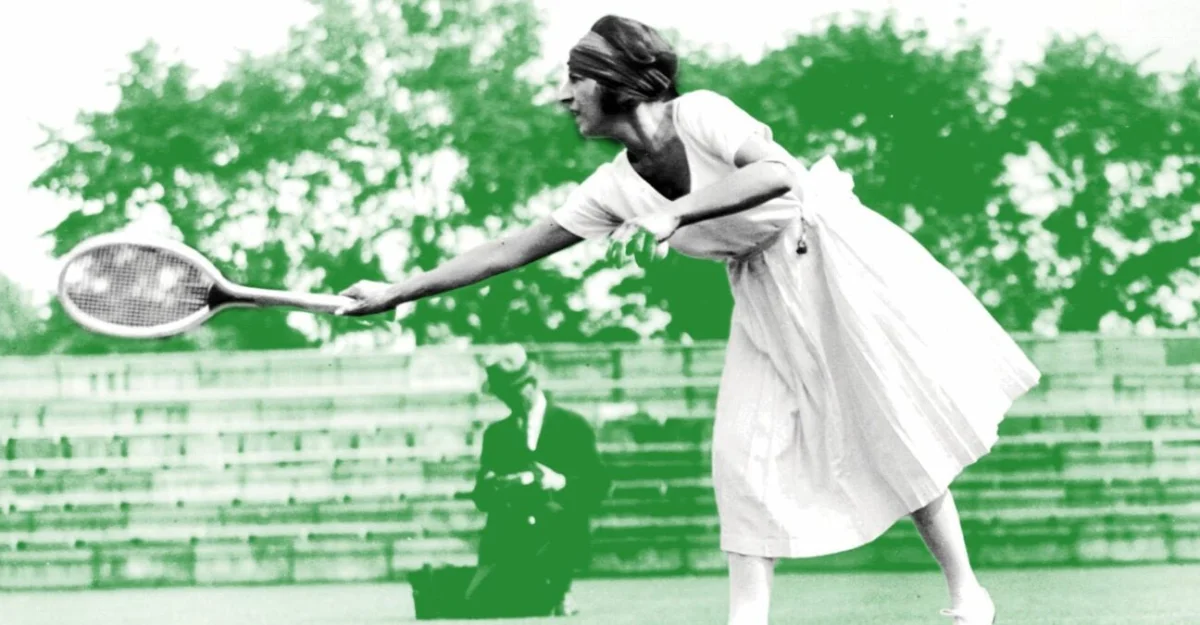
On July 4, 1938, the tennis world mourned the loss of Suzanne Lenglen, who passed away from leukemia at the age of 39. As the first female superstar of the sport, Lenglen became a celebrated figure in the 1920s, achieving remarkable feats on the court that made her an icon not only of tennis but of women's athletics at large. Her career, marked by groundbreaking performances and captivating flair, created a massive following that had a lasting impact on the sport.
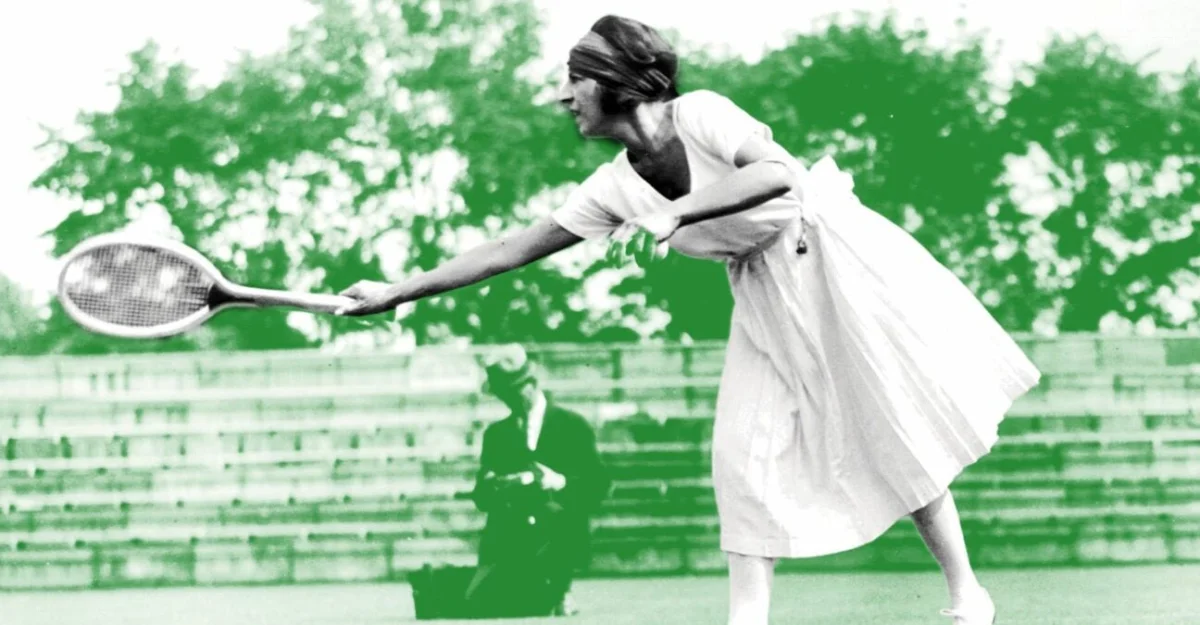
Early Beginnings: A Path to Greatness
Born in 1899, Suzanne Lenglen showed extraordinary potential across various sports, but her talent in tennis quickly drew attention. Pushing her limits from an early age, she practiced rigorously under the demanding eye of her father, who believed she had the potential to be an exceptional player. His strict training regimen included hours of skill development and physical conditioning. Reflecting on his approach, he noted, “Although my advice was always well intentioned, my criticisms were, at times, severe, and occasionally intemperate.”

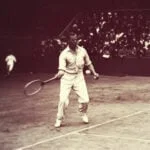
By 1912, Lenglen was making her mark in tennis, winning tournaments and catching the eye of the legendary player Anthony Wilding, who partnered with her at mixed doubles events on the French Riviera. However, just as her career began to flourish, the outbreak of World War I disrupted her ascent, stopping all competitions during the tumultuous period. Nonetheless, during the war, she honed her game in the safety of Nice, practicing with male competitors, which would later contribute to her aggressive playing style.
Dominance and Accolades: The Rise of “The Goddess”
After the war, Lenglen quickly reestablished herself, capturing her first major title at Wimbledon in 1919, becoming the first non-British woman to do so. This victory marked the outset of a remarkable streak, securing six consecutive Wimbledon titles between 1919 and 1925, alongside four victories at the French Championships (now Roland Garros) between 1920 and 1923, and three titles at the World Hard Court Championships from 1921 to 1923.
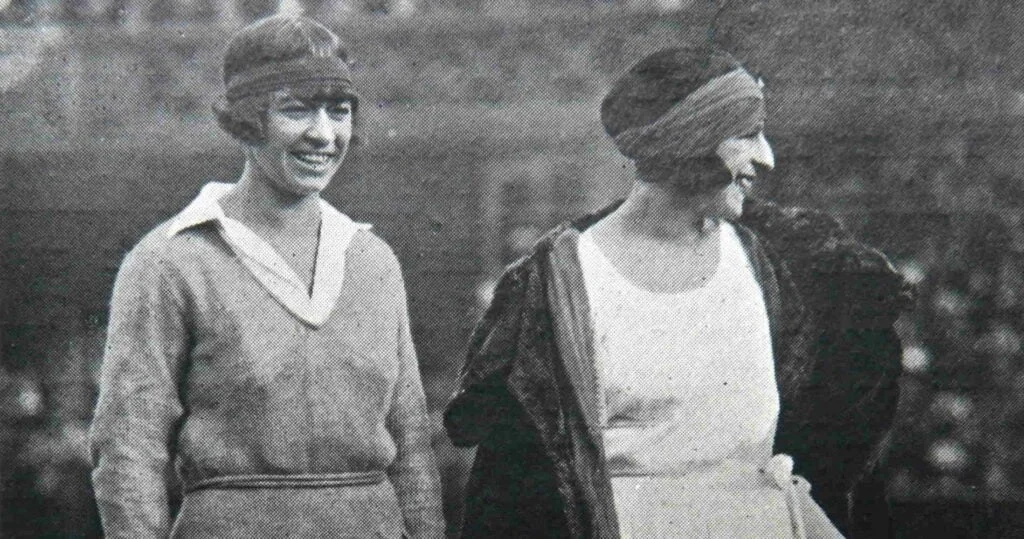
Lenglen's confident and electrifying style on the court captured the hearts of fans across France. Her lone defeat came in 1921 when she retired in the semifinal against Molla Mallory at the US National Championships, breaking a 108-match winning streak. But the following year, she embarked on another remarkable run, extending her winning streak by another 179 matches.
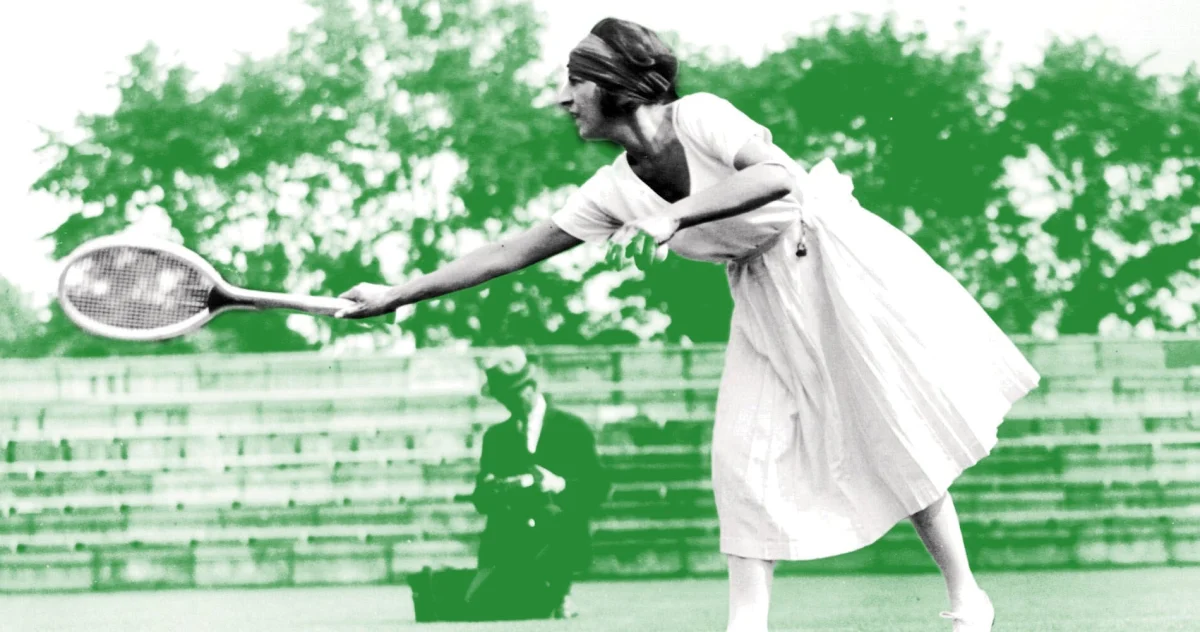
Her popularity soared as she became a national symbol for France— a beacon of hope in the post-war era— earning her the affectionate moniker, “The Goddess.” Off the court, her influence was just as potent; she revolutionized women’s tennis attire with stylish outfits designed by Jean Patou, which included her iconic, filmy dresses and headbands that became widely recognized.
Iconic Showdowns: The Match of the Century
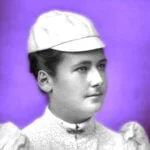
In 1926, the emergence of American player Helen Wills introduced a new level of competition. The two faced each other in “the Match of the Century” in Cannes, which drew unprecedented attention, with ticket prices soaring six times higher than those for the men's singles final at the US National Championships. In front of a star-studded crowd, which included a Russian grand duke and the Swedish king, Lenglen triumphed over Wills, 8-6, 6-2.
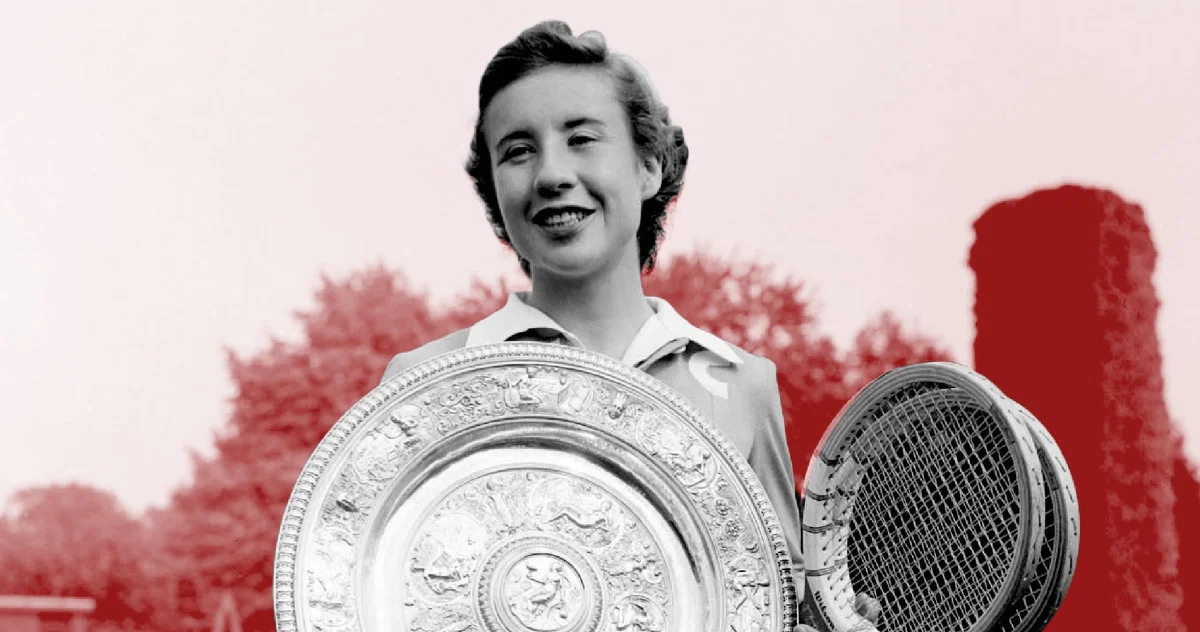
Despite her success, Lenglen's career took a turn when a controversial incident at Wimbledon led to her decision to become a professional player, a choice that was met with heavy criticism. However, she defended her decision passionately, stating, “In the 12 years I have been champion I have earned literally millions of francs for tennis, and I have paid thousands of francs in entrance fees to be allowed to do so.”

The Later Years: A Shift in Focus
After her stint in professional tennis in 1926 and 1927, where she toured the United States and the UK, Lenglen retired in September 1928. The subsequent years saw her dabbling in fashion and acting while also contributing to the tennis community by opening a tennis school in Paris in 1936. However, life took a tragic turn when she was diagnosed with leukemia in 1938.
Her battle with the disease was swift and brutal, taking her life just three weeks after diagnosis. The outpouring of grief was palpable at her funeral, attended by notable figures such as French Prime Minister Édouard Daladier and the King of Sweden, symbolizing her significance not just in sports, but in French culture.

Legacy: A Timeless Influence in Tennis
Today, Suzanne Lenglen remains a pivotal figure in tennis history. Her impact resonates not only in France, where she is celebrated as a legend of the golden era alongside the Four Musketeers, but globally as a trailblazer for women in sports. The women’s trophy at Roland Garros carries her name, and the second show court at the French Open is also named in her honor.

Lenglen’s life and career remind us that tennis is more than just a sport; it is a platform for cultural change and empowerment. As we reflect on her legacy, we acknowledge that Suzanne Lenglen was not merely a player; she was a revolutionary force whose contributions continue to shape the world of tennis.