On October 5, 1918, renowned French aviator Roland Garros was killed in World War I, but his legacy endures through the tennis stadium named in his honor.
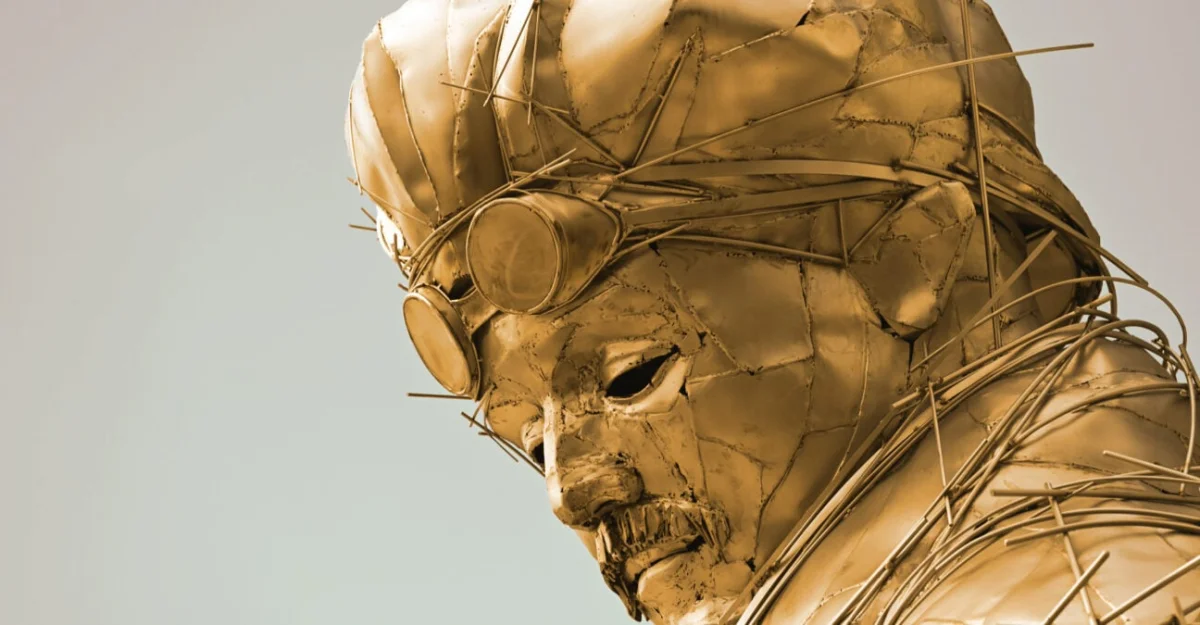
On this day, October 5, 1918, Roland Garros, a pioneering French aviator and the name behind the esteemed French Open tennis venue, met his untimely end when his aircraft was shot down in the Ardennes region of France. Though Garros never became a tennis player, his legacy transcends sports, as his name is forever etched in tennis history.

What Happened on October 5, 1918?
Garros was then a celebrated figure in the aviation world, known for being the first man to complete a non-stop flight across the Mediterranean Sea. Just a month shy of the war's end and one day before his 30th birthday, he was tragically shot down by German forces near Vouziers, a poignant reminder of the human cost of war. Ten years after his death, a new stadium was built to host the Davis Cup and the French Championships, ultimately named in his memory by his friend Emile Lesieur.
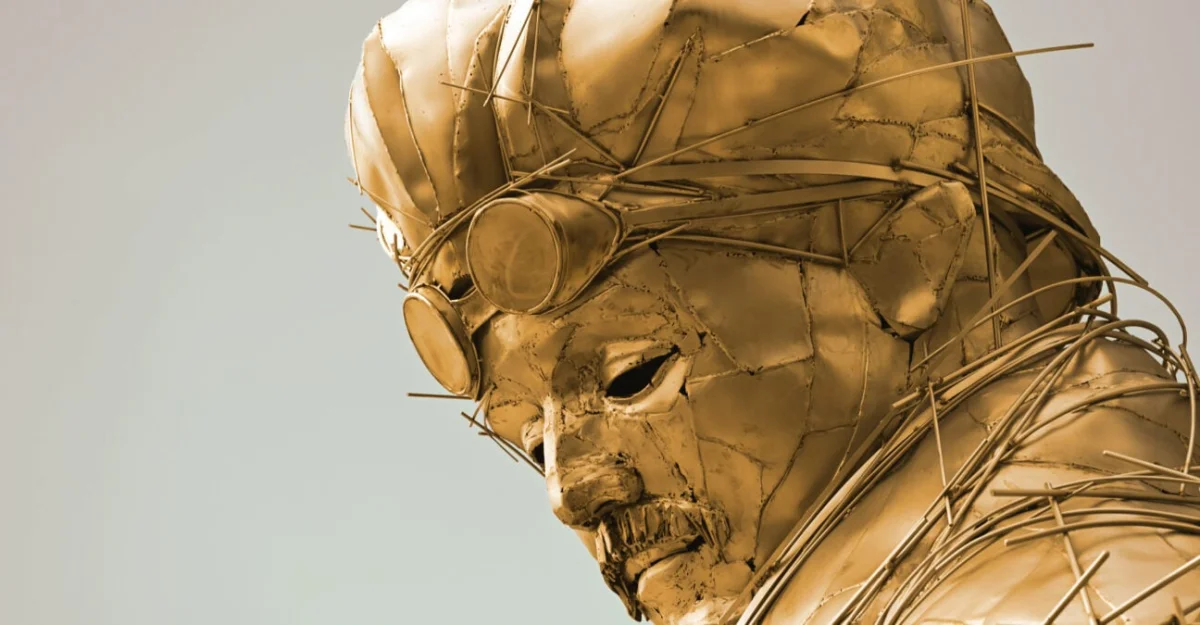 Tennis: Roland Garros 2021 – France – Statue of Roland Garros as an aviator at the entrance of the Roland Garros Stadium
Roland Garros: A Brief Biography
- Early Life
Born in 1888 in Saint-Denis de la Réunion, a French overseas territory, Garros was raised in Paris where he attended the celebrated HEC business school. He initially embarked on a career selling cars in Paris but found himself drawn to aviation after witnessing an exciting flight demonstration in 1909. This pivotal moment ignited his passion for flying, leading him to purchase an aircraft, teach himself to fly, and earn his pilot's license by 1910.

Pioneering Achievements
- Trailblazing Aviator
Garros's ascent in aviation was rapid. He participated in the historic Bastille Day air parades in 1910 and 1911, showcasing the capabilities of early aviation. Setting two altitude records—first at 3,950 meters (12,960 feet) in 1911 and then a staggering 5,610 meters (18,410 feet) in 1912—he quickly garnered fame. His most distinguishable feat came in 1913 when he executed the first non-stop flight across the Mediterranean, flying from southern France to Bizerte, Tunisia. This remarkable journey, which lasted eight hours, required Garros to conduct mid-air repairs on his aircraft, further showcasing his resilience and skill.

As World War I escalated, Garros transitioned into military aviation, becoming part of early aerial combat. Innovatively, he developed a synchronized machine gun—known as an interrupted gear—that allowed pilots to fire without damaging their propellers, marking a turning point in aerial dogfights.

However, in 1915, Garros was shot down and became a prisoner of war for nearly three years. His captors' replication of his interrupted gear technology significantly impacted subsequent air battles. Despite this setback, Garros managed to escape in 1918 and returned to Paris, where he promptly rejoined the military. Tragically, his life ended just weeks before World War I’s conclusion.
The Transformation of Garros’s Name into a Sports Icon
Fast forward to 1927, after France's Four Musketeers clinched its first Davis Cup victory, officials from the Racing Club and the Stade Français sought to build a new arena to host the Davis Cup Challenge Round and the French Championships. They secured land at Porte d’Auteuil in west Paris, pledging personal funds for its construction.
Emile Lesieur, crucially involved in this project, insisted that the arena bear the name of a fellow Stade Français member, ultimately selecting Roland Garros, who had passed nearly a decade earlier. This decision proved monumental; the venue not only served as the site for the French Championships but also crystallized Garros's name in the public consciousness, ensuring that the tournament would be known as Roland-Garros.
The Enduring Legacy
Garros's impact has resonated beyond his lifetime, shaping the aviation world and the realm of sports. The French Open, hosting elite tennis talents annually, celebrates his memory, turning a tragic narrative into one of inspiration and honor. His spirit lives on—each time the tournament unfolds on the courts that bear his name, we acknowledge the price he paid and the legacy he created.
As we remember Garros, we reflect on the interface of courage in aviation and sporting excellence, a reminder that history often intertwines tragedy with the pursuit of greatness.


